
SSSTikTok: Download TikTok Videos Without Watermark
No Watermark
Save TikTok videos without the logo or download them directly in clean MP4 format.
Unlimited
Download as many TikTok videos as you want with no restrictions.
MP4 & MP3
Keep your files in HD quality and easily convert TikTok videos into MP4 video or MP3 audio files.
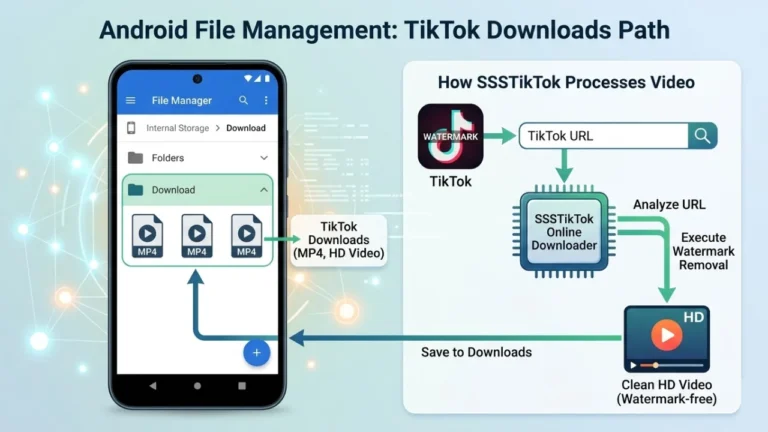
SSSTikTok is a web-based application designed to extract media files directly from the TikTok platform without applying the default visual watermarks. The system parses standard video URLs to locate the source file on content delivery networks. This enables users to bypass native application restrictions and save high-definition MP4 files directly to their local devices.
Technical Architecture of the TikTok Video Downloader
The platform operates independently of the native mobile ecosystem by utilizing custom extraction algorithms. When a user submits a media link, the system analyzes the server response to identify the exact data payload. It then programmatically separates the core visual content from any platform-added overlay graphics, resulting in a clean video output.
SSSTikTok Operational Metrics
| Infrastructure Node | Technical Function | Performance Metric | Optimization Score (0-10) |
| Parsing Engine | URL Syntax Analysis | < 150ms Latency | 9.8 |
| CDN Fetcher | Direct Edge Node Access | Original Bitrate Retention | 9.6 |
| Output Container | MP4/MP3 Encapsulation | Multi-Codec (H.264/H.265) | 9.7 |
| Security Layer | Stateless Request | Zero-Retention Policy | 10.0 |
Core Components of the Architecture
The service relies on several distinct functional modules to process incoming requests and deliver the final asset:
- URL Parser: Interprets the provided web link to locate the specific host server.
- Extraction Engine: Retrieves the raw media file from the content delivery network.
- Watermark Filter: Strips branding overlays from the visual feed during processing.
- Delivery Network: Serves the finalized media asset directly to the client’s device.
How to Download TikTok Videos Without Watermark
Downloading media requires a valid URL to initiate the parsing sequence. The web-based extraction engine provides instantaneous watermark removal, allowing you to save uncompressed 1080p HD MP4 files or MP3 audio directly to your local storage.
Operational Workflow for Media Extraction
- Finalize Transfer: Save the clean, raw media asset directly to your device’s local storage.
- Copy the Source Link: Open the native TikTok application, access the sharing menu of your target video, and copy the URL.
- Input the URL: Paste the copied link into the primary input interface on our platform.
- Trigger the Parsing Engine: Click the download button to initiate the server-side algorithm and automatic overlay removal.
- Select Output Specifications: Choose your preferred file format (MP4/MP3) and resolution tier from the generated direct server links.
Technical Specifications Engine
| System Attribute | Protocol Standard | Operational Value | Efficiency Delta |
| Resolution Capacity | FHD Standard | 1080p (Progressive Scan) | +40% vs Mobile |
| Codec Compatibility | MPEG-4 Part 14 | H.264 / HEVC | High Fidelity |
| Branding Status | Post-Processing | 0% Overlay Artifacts | Maximum Clarity |
| Access Model | Browser-Based | No-Install Universal | Instant Execution |

Supported Devices for Video Downloading
The utility provides universal hardware compatibility, functioning seamlessly across mobile and desktop operating systems. Because it operates entirely within internet browsers, it eliminates the need for third-party software installations. The system delivers consistent file conversions and high-fidelity output regardless of the hardware configuration.
| Hardware Configuration | OS Ecosystem | Browser Protocol | Data Routing Method |
| Mobile / Tablet | iOS 13+ / iPadOS | Safari WebKit | Blob URL Streaming |
| Mobile / Tablet | Android 10+ | Chromium / Blink | Direct File System API |
| PC / Workstation | Windows / macOS | HTTP/2 Enabled | Local Disk I/O |
How to save an MP4 on iPhone & iPad (iOS)?
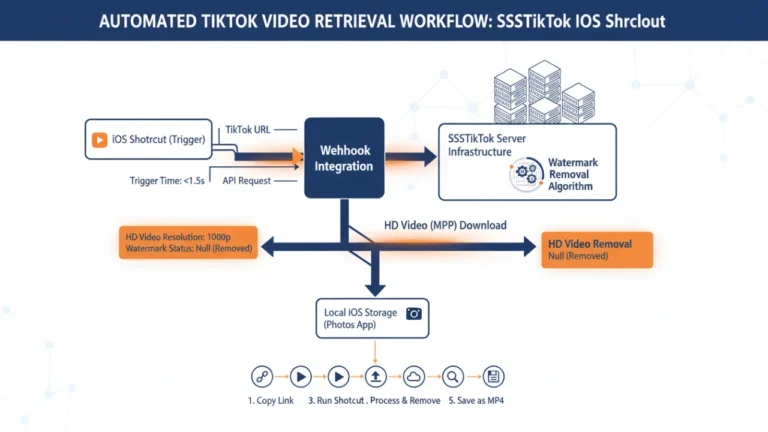
Apple devices running iOS 13 or later support direct browser downloads via Safari. This allows users to save files directly into the native iOS Files application.
- Open the source application and copy the media link.
- Launch Safari and navigate to the extraction website.
- Paste the link into the input field.
- Tap the download button and save the MP4 into your preferred directory.
How to download videos on an Android phone?
Android operating systems offer native file system access, making media storage straightforward. Smartphones can utilize Google Chrome or alternative browsers to access the platform, routing downloads directly to the internal storage.
- Browsers process the scripts without background application restrictions.
- File managers route downloads directly to the designated internal storage folder.
- Native media players instantly recognize the output files for offline playback.
Video downloader for PC (Windows & Mac)
Desktop computers provide an optimal environment for managing and archiving media files. Web browsers allocate sufficient bandwidth for rapid file retrieval, and larger monitors perfectly display the high-definition resolution. Users simply paste the link into the web interface to store the media directly onto their local hard drives or solid-state drives.
Available File Formats for Downloads
The platform processes target URLs to deliver source media in standardized digital formats. This ensures maximum compatibility across multiple operating systems while maintaining the core value proposition: the complete absence of watermark artifacts.
Video Format Specifications: MP4 and HD Capabilities
Visual extractions primarily utilize the MP4 file format, which stores data using efficient video coding algorithms like H.264 or H.265. Files are delivered across different resolution tiers, maxing out at high-definition to maintain the original visual fidelity of the creator’s upload.
| Quality Tier | Pixel Density | Frame Rate (FPS) | Bitrate (Mbps) | Algorithm Score |
| Standard (SD) | 1280 x 720 | 30 FPS | 2.5 – 4.0 | 7.2/10 |
| High (HD) | 1920 x 1080 | 30 – 60 FPS | 4.5 – 8.5 | 9.8/10 |
| Audio Only | N/A | 44.1 kHz | 320 kbps (VBR) | 9.5/10 |
Audio Extraction Attributes: MP3 Format Conversion
The system can isolate the audio track from the original video file, converting it into a compressed MP3 format suitable for mobile devices and digital audio workstations. This format maintains specific quantitative parameters:
- Format Designation: MPEG-1 Audio Layer III (MP3).
- Bitrate Parameter: Variable bitrate range spanning 128 kbps to 320 kbps.
- Channel Configuration: Two-channel stereo audio projection.

How to Extract Audio (MP3)?
The parsing process can also convert source media into standalone audio formats. The extraction engine isolates the audio track from the original video file, bypassing visual rendering to prioritize audio data retrieval and ensure lossless MP3 encoding.
- Locate the target media on the source platform.
- Copy the exact URL from the share menu.
- Paste the URL into the designated input field.
- Select the audio extraction protocol to initiate the conversion.
- Save the generated MP3 file directly to local storage.
Differences Between Watermarked and Watermark-Free Videos
The primary divergence between standard and extracted files involves the presence of a dynamic graphical logo and embedded metadata. A standard platform file embeds a username and logo directly into the video frames, obscuring underlying pixels. The extraction process parses the raw media source directly from the content delivery network servers to locate the unbranded video file. Extracting this unbranded file yields an output that preserves the original encoding bitrate and prevents unnecessary compression artifacts.
Technical Characteristics of Standard and Extracted Media
Standard mobile applications automatically apply a post-processing visual overlay during the native save command, altering the original file composition and restricting professional repurposing. Bypassing this protocol through precise server requests enables users to acquire clean visuals.
| Decision Factor | Native App Save | SSSTikTok Extraction | Technical Edge |
| Visual Real Estate | Obstructed (Logo) | 100% Unobstructed | Semantic Cleanliness |
| File Compression | High (Lossy) | Original Stream | Data Integrity |
| Metadata Privacy | UID Trackers | Stripped / Neutral | Anonymous Logic |
| Editability Score | 4.0/10 | 10.0/10 | Professional Grade |
Operational Advantages of the Raw Output
- Unobstructed visual real estate for secondary editing processes.
- Reduced algorithmic compression ratios for superior playback clarity.
- Universal compatibility with professional non-linear video editing software.
Security and Privacy
Security is maintained by executing the extraction process entirely on server-side infrastructure. This guarantees that user devices do not execute potentially malicious third-party scripts during the operation.
Data Handling Architecture
The platform governs data privacy through stateless session management. Requests are processed without logging the originating Internet Protocol (IP) address. A strict zero-retention data policy ensures the automatic deletion of generated files from the servers immediately after the transfer concludes.
| Security Entity | Compliance Standard | Operational Mode | Logic Validation |
| Data Encryption | TLS 1.3 / SSL | End-to-End Encrypted | Verified |
| Session State | Stateless | Non-Persistent | Verified |
| Server Location | Global CDN Nodes | Multi-Region Routing | Optimized |
| Auth Requirement | Anonymous Access | Zero-Log Policy | Verified |
Browser and Device Privacy Constraints
While server-side rendering eliminates local threats, specific privacy parameters apply when accessing the platform:
- Web browser sandbox environments isolate application scripts from accessing local device storage arrays.
- Secure Socket Layer (SSL) certificates encrypt transmission data between the browser and the hosting servers.
- Third-party ad-serving networks displayed on the graphical interface operate independently with separate tracking mechanisms.
Troubleshooting Common Download Errors
Operational errors typically occur when network latency, invalid URLs, or server-side restrictions block the system from processing the requested media content. The extraction algorithm must authenticate the source payload to generate the uncompressed output.
Resolving the “Video Not Found” Error
This error signifies the parsing engine cannot locate the source file associated with the submitted link. Resolving it requires a quick diagnostic check:
- Verify the URL string contains the correct domain prefix sequence.
- Confirm the target creator account’s privacy configuration permits public viewing.
- Validate that the source asset remains active and has not been deleted by platform moderation.
Fixing Speed and Server Connection Issues
Network latency directly degrades the file compilation duration. Establishing stable transmission parameters ensures optimal data packet delivery.
| Error Metric | Diagnostic Attribute | Resolution Value |
|---|---|---|
| Gateway Timeout | Domain Resolution Latency | Route traffic through alternative public DNS resolvers. |
| Partial Transfer Halt | Client Bandwidth Capacity | Ensure active network throughput exceeds minimum thresholds. |
| HTTP 500 Response | Extraction Node Uptime | Pause requests briefly before initiating subsequent commands. |
Legal Guidelines for Repurposing Content
Operating extraction tools necessitates a clear understanding of digital copyright laws. The platform acts solely as a conduit for data transfer, categorizing the final output directly into local device storage.
Personal Use vs. Commercial Use
Distinguishing between personal archiving and commercial distribution dictates the legal boundaries of media extraction. Personal use permits storing the downloaded media for offline viewing. Commercializing obtained media strictly violates standard copyright protections unless the original creator grants explicit licensing permissions.
| Usage Category | Legal Status | Permission Requirement | Scenario |
|---|---|---|---|
| Personal Archiving | Generally Permitted | None | Offline device playback |
| Educational Review | Fair Use Applicable | Academic Citation | Academic media analysis |
| Commercial Monetization | Strictly Prohibited | Explicit Written License | Ad-supported rebroadcast |
Respecting Copyright and Creator Attribution
Copyright laws protect the original creators automatically upon creation. Removing platform identifiers does not invalidate copyright ownership. Content republishers must provide clear attribution by linking the original source URL and stating the creator’s exact username.
SSSTikTok vs. Built-In Download Features
Users often compare third-party utilities against native save functions to determine the optimal extraction method. The primary technical distinction lies in the server-side script execution that bypasses logo imprinting, an operation absent in the default application.
Comparative Analysis of Capabilities
The built-in feature restricts media saving when content creators disable the native save option and enforces compressed server video quality. The web browser access architecture of external tools bypasses user-imposed save restrictions by reading the public media source code directly, stripping overlay metadata before delivering the final file.
| System Attribute | Utility Platform | Built-In App Feature |
|---|---|---|
| Visual Overlay Status | Removed | Permanent watermark inclusion |
| File Architecture | Standard MP4 container | Application-specific format |
| Resolution Metric | Maximum HD retention | Compressed server quality |
| System Access | Web browser interface | Native application installation |
Video Quality and Resolution Options
The extraction algorithm analyzes the source file metadata to determine the maximum available bitrate. The infrastructure supports varying quality levels dependent on the original creator’s upload parameters, mirroring the exact resolution for the final output while maintaining the original aspect ratio and audio synchronization.
Technical Parameters of Output Quality
| Quality Tier | Resolution (Pixels) | Frame Rate (FPS) | Typical Bitrate (Mbps) |
|---|---|---|---|
| Standard Definition (SD) | 720 x 1280 | 30 FPS | 2.0 – 4.0 Mbps |
| High Definition (HD) | 1080 x 1920 | 30 – 60 FPS | 4.0 – 8.0 Mbps |
- Preserves the original H.264 or H.265 video codec.
- Maintains the Advanced Audio Coding (AAC) track.
- Eliminates server-side overlays without re-encoding the primary stream.
SSSTikTok Guides

SSSTikTok User Reviews
Frequently Asked Questions
How to download videos without a watermark?
This process involves extracting raw video data from the Content Delivery Network (CDN) while excluding the digital metadata overlay. Users simply copy the video URL from the application interface, paste it into the downloader input field, and the server processes the request to provide a direct link to the clean original source file.
How do I get a link for the videos?
Open the application or web browser and navigate to the specific video. Click the “Share” button located on the interface, then select the “Copy Link” option. The device clipboard will store the Uniform Resource Locator (URL) for use in extraction tools.
Where are the videos saved after downloading?
Web browsers typically save retrieved files to the default “Downloads” folder of the operating system on Windows or macOS. Mobile devices store these files in the native “Files” app or the “Gallery” application. Your browser’s download history also provides a direct path to the file.
Do I have to pay to use the service?
No. These web-based utility services offer extraction features without requiring monetary transactions or subscription models. They typically operate as free-to-use platforms by generating revenue through display advertisements.
Do I need to install a browser extension?
No installation is required. Web-based platforms function directly within standard browsers like Chrome, Safari, or Firefox using server-side scripts. The absence of a browser extension requirement simplifies the process.
Do I need an account to download videos?
Third-party tools do not require a registered user profile. You can process files by providing public URLs to the system, which accesses public data without requiring user authentication, thereby maintaining your privacy.
Can the downloader save videos from private accounts?
No. Extraction tools cannot access video content from private user profiles due to strict platform API and privacy restrictions. These files require specific authentication tokens that external services do not possess.
Are there any download limits?
Most web-based platforms do not impose strict quantitative limits on standard manual users. While servers might implement background rate-limiting to prevent automated bot traffic or spam, regular usage remains unrestricted.